


%402x.svg)
In this episode, Tom Hardin shares his vulnerable story of how seemingly small compromises led to significant consequences on Wall Street. His journey from insider trader to global keynote speaker on behavioral ethics offers critical insights for leaders navigating today's complex ethical landscape. Learn the 10-80-10 framework, warning signs of ethical decline, and practical strategies to build psychological safety in your organization.
Frequently Asked Questions
What is the difference between moral drift and ethical failure?
Moral drift is the gradual process where good people make increasingly poor decisions through small compromises. Ethical failure is the endpoint, the moment when those compromises result in significant consequences. Moral drift happens slowly over time, often unnoticed until it's too late. The key insight is that ethical failures rarely happen suddenly; they're the culmination of many small decisions that went unnoticed.
How can leaders identify warning signs of ethical decline in their organizations?
Leaders should watch for ambiguity in communication, cultures of silence where people don't speak up, and rationalization patterns. When employees start saying "everyone else is doing it" or "this is immaterial," those are red flags. Also pay attention to goal-setting practices, if goals become extremely short-term or unclear, that creates pressure that can lead to ethical compromises. The most important indicator is whether people feel safe asking clarifying questions.
What should I do if I discover an ethical issue in my organization?
First, document what you've observed without making accusations. Then find the appropriate channel to report it, this might be HR, compliance, or a trusted leader. If your organization has a speak-up program, use it. Most importantly, don't try to handle it alone. Ethical issues are rarely individual problems, they're usually symptoms of systemic issues that require organizational attention.
Why Good People Make Bad Decisions: The Hidden Danger in Your Organization
We've all heard the stories of seemingly good people making terrible decisions, executives caught in scandals and respected professionals losing their credibility overnight. These stories often end with finger-pointing and moral outrage, but they rarely help us understand how these situations actually develop. The truth is more complex and more relevant to your organization than you might think.
Tom Hardin's journey from Wall Street financial analyst to FBI informant offers a profound case study in ethical decision-making. His new USA Today and Publishers Weekly bestseller Wired on Wall Street: The Rise and Fall of Tipper X, One of the FBI’s Most Prolific Informants, details how he went from a promising young professional to one of the FBI's most prolific informants. What makes his story particularly valuable for leaders today is how he explains the subtle process of moral drift, where good people make bad decisions through a series of small compromises.
Understanding this process is about building organizational resilience. When you recognize the warning signs of ethical decline, you can create cultures where people feel safe to speak up, ask questions, and make decisions aligned with your organization's true values. This is especially critical in today's complex business environment where the pressure to perform often collides with ethical considerations.
The 10-80-10 Framework: Understanding How Ethics Really Work in Organizations
Tom Hardin's experience led him to use the "10-80-10 framework" for understanding employee behavior in ethical contexts. This framework reveals a critical insight that many leaders miss. Only 10% of employees are fundamentally incorruptible, while another 10% will always be compliance nightmares. The remaining 80%, the vast majority of your workforce, are malleable, meaning their ethical behavior is heavily influenced by organizational culture.
This framework challenges the common assumption that most people are either inherently good or bad. Instead, it shows that ethical behavior is often situational, shaped by the environment and pressures within an organization. When leaders understand this, they can focus on building cultures that guide the 80% toward ethical decision-making rather than assuming everyone will naturally do the right thing.
The most dangerous mistake leaders make is thinking they're in the 10% of "good" people who would never compromise their ethics. As Tom notes, "If [you] read Wired on Wall Street and think I would never be in that situation, never do that, then actually you're most susceptible to going down that slope." This healthy paranoia is essential for recognizing how even well-intentioned leaders can create conditions that lead to ethical failures.
– Ambiguity is the leading indicator of ethical decline – When goals become unclear or short-term pressures intensify, people start looking for shortcuts
– Rationalization happens to everyone – The top two rationalizations Tom sees are "seems like everybody's doing it" and "it's really immaterial"
– Psychological safety enables ethical behavior – People need to feel safe asking clarifying questions without fear of retribution
– The 80% need clear guidance – Without direction, the majority of employees will follow the path of least resistance
Understanding this framework transforms how you approach ethical leadership. It shifts the focus from individual character to organizational culture, recognizing that your role as a leader is to create conditions where ethical behavior becomes the natural choice rather than a difficult sacrifice.
The Integrity Gap: Why Reputation Isn't the Same as Character
One of Tom's most powerful insights is the distinction between reputation and character. He calls this the "integrity gap", the space between how others perceive you and the decisions you make when no one is watching. "We're all consumed with our reputation," Tom explains, "but that's what people think of us. When our character is actually those decisions that we make every day that maybe aren't seen, but that's a leading indicator for our reputation."
This distinction is critical for leaders to understand. Your reputation might be built on your public actions and statements, but your character is revealed in your private decisions, the ones you make when you think no one is watching. As Tom discovered through his own experience, focusing solely on reputation while neglecting character creates a dangerous vulnerability. When he was a young professional on Wall Street, he was "so focused on my reputation, what the other guys thought of me in the industry," but he should have been "focused on the daily decisions I made."
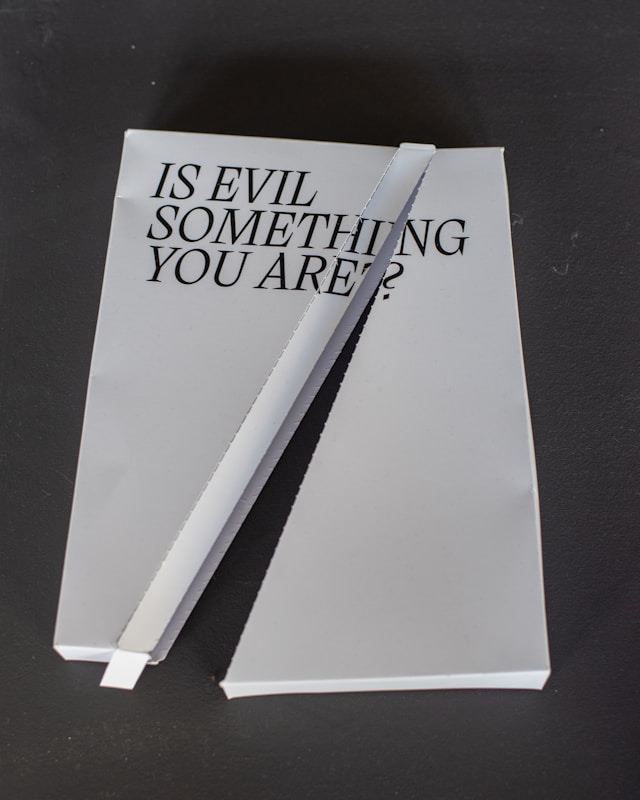
The integrity gap explains why so many organizations with impressive values statements on the wall still experience ethical failures. If your culture rewards certain behaviors while claiming to value others, you create a disconnect between what you say and what you do. As Tom puts it, "If I speak at a company and they have all these great values on the wall, but then the employees know that that's not the truth, [hypocrisy is a major problem]."
Recognizing the integrity gap helps leaders build authentic cultures where character matters as much as reputation. It shifts the focus from image management to genuine ethical practice, a transformation that creates resilience against the pressures that lead to ethical failures.
Building a Culture of Integrity: Practical Strategies for Leaders
Creating a culture of integrity doesn't happen through posters on the wall or annual compliance training. It requires intentional leadership behaviors and organizational systems that reinforce ethical decision-making daily. Tom's experience as both a perpetrator and observer of ethical failures provides concrete strategies for leaders who want to build truly resilient cultures.
The first step is addressing ambiguity in communication. As Tom explains, "any type of goal change... ambiguity is sort of the lead indicator of that slippery slope starting." When leaders give unclear instructions or set unrealistic expectations, they create conditions where employees feel forced to make unethical choices. The solution is simple but profound: "ask clarifying questions if the manager comes in and it's sort of ambiguous."
This requires creating psychological safety, where employees feel comfortable challenging assumptions and seeking clarity without fear. Tom notes that "many companies I speak at, they'll bring me in as part of a speak up program... But if we're not listening up as leaders and really like how a leader listens is also very important." The critical insight here is that "speak up" initiatives fail without "listen up" practices.
"Cheating is a choice. I made bad decisions."
-- Tom Hardin
Another powerful strategy is recognizing and celebrating ethical behavior, not just outcomes. As Tom shares, "One company I spoke at has a monthly sort of employee who, you know, made a tough spot, made the right ethical choice. And that does something to the character of the organization." This recognition doesn't need to be monetary, it's about visibility and validation of the right behaviors.
These strategies work because they address the root causes of ethical failures rather than just the symptoms. They transform your organization from one that merely avoids wrongdoing to one that actively cultivates integrity, a distinction that becomes critical when pressure mounts and decisions must be made quickly.
From Moral Drift to Integrity: Creating Organizational Resilience
The journey from moral drift to integrity is about building systems that catch small compromises before they become big problems. As Tom's story demonstrates, ethical failures rarely happen in one dramatic moment; they develop through a series of seemingly small decisions that gradually erode standards.
The most transformative insight from Tom's experience is the difference between "mistakes" and "bad decisions." As he explains, "I used to call what I did mistakes and there were actually bad decisions... if anybody listening calls your bad decisions, mistakes, you're not owning them at all." This distinction is crucial for personal and organizational growth, it moves us from denial to accountability.
Building resilience requires understanding that ethical behavior is a muscle that needs regular exercise. Just as Tom had to develop new habits after his experience, organizations need to create practices that reinforce ethical decision-making daily. This includes regular reflection on values, transparent communication about expectations, and creating safe spaces for difficult conversations.
The ultimate goal is creating organizations where people feel empowered to make the right choices, even when it's difficult. When we focus on building character rather than just managing reputation, we create the foundation for sustainable success.
Ready to take Ethical Leadership to the next level?
- To get practical tools and actionable tips that will jumpstart your journey, download the Ethical Leadership Kick Starter Booklet here.
- Join the newsletter to be notified when a new episode is ready for you to listen and get every Kick Starter Booklet for all future episodes.
- And if you’re looking to elevate your entire C-Suite leadership team, learn how Craig Dowden can help your leaders perform at their highest-level visit https://www.craigdowden.com/executive-mastermind
- For a deeper dive, listen to the full-length episode of the Do Good to Lead Well podcast featuring Tom Hardin:
Did you like this article on Ethical Leadership? Does it help you become a better leader? Then check out these articles to help hone those skills even further:
- Creating Inclusive Workplaces: Beyond DEI: The Practical Fairness Framework for Creating Inclusive Workplaces That Actually Work with Lily Zheng
- Psychological Safety and Belonging: Building Emotionally Intelligent Teams: The Science-Backed Framework for Psychological Safety and Belonging with Vanessa Druskat
- Make Better Decisions: How to Make Better Decisions When Everything Feels Uncertain
- Anxiety: Mastering Social Anxiety: Evidence-Based Strategies for Leaders and Professionals
- Build Resilient Organizations: Culture Design: How to Build Resilient Organizations with Intentional Values
- Unlearning Silence: What to do When Your Best People Are Not Speaking Up with Elaine Lin Hering
- Why Feeling for Others Is Making Your Leadership Less Effective: The Empathy Paradox
- Leading With Courage and Authenticity: Purpose Driven Innovation: One CEO’s Guide to Leading with Courage and Authenticity with Kendra MacDonald
- Build Wildly Successful Startups Through Authenticity: Silent Strength: How Introverts Build Wildly Successful Startups Through Authenticity, Not Performance
- Drive Leadership Excellence in 2026 (Part 2): How Curiosity, Team Diversity, and Meaningful Work Drive Leadership Excellence in 2026 (Part 2)
- Transform Your 2026 (Part 1): 2025's Top Leadership Minds: The Extraordinary Guests and Insights That Will Transform Your 2026 (Part 1)
- Beat Burnout and Build Real Connection: How to Reclaim the Holiday Magic: 5 Powerful Strategies to Beat Burnout and Build Real Connection with Craig Dowden
- Hospitality Leadership: How Hospitality Leadership Transforms Teams and Drives Business Results with Taylor Scott
Craig Dowden


%401x.svg)
